
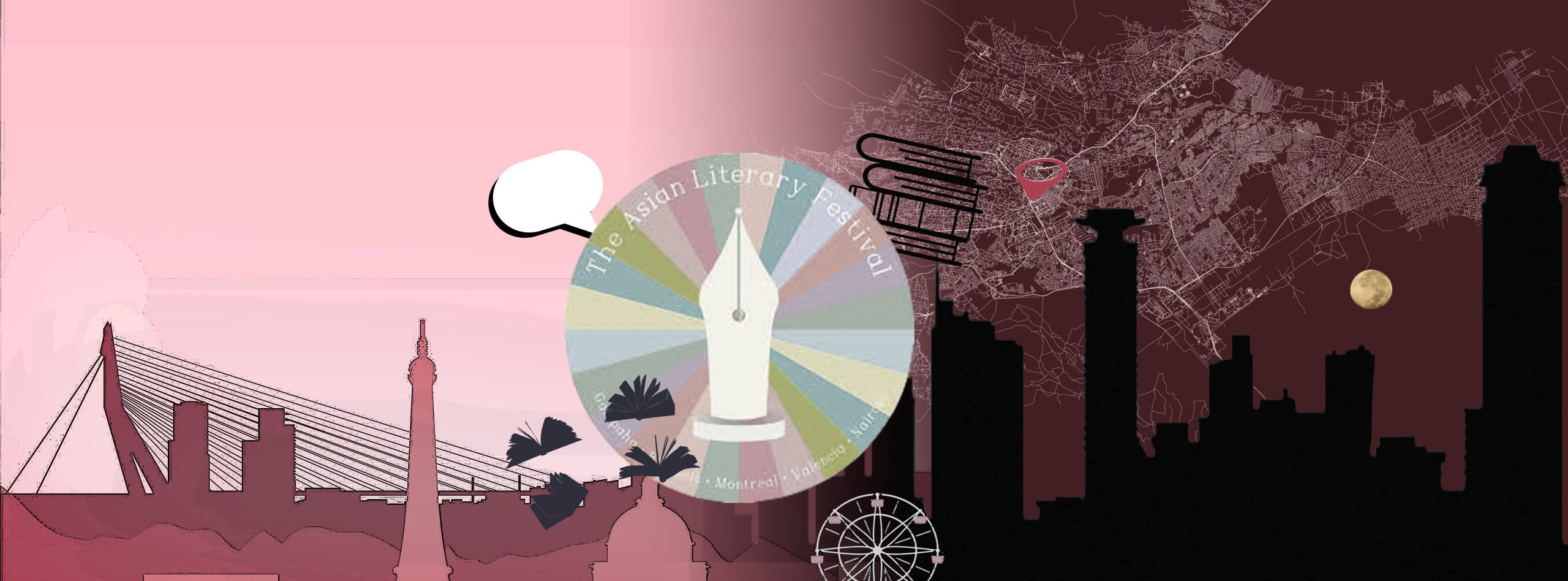
Charity begins at home, or so the platitude goes. It would, therefore, be remiss of us to start our book evangelism some place other than home. And having said that, it is with much ado that we join in the hype about the African debut of the Asian Literary Festival, which is set to take place in April, 2026 right here in Nairobi. This is particularly exciting news for authors and readers in East Africa; it is an opportunity to commune and share experiences with like-minded people from vastly different cultural backgrounds, and, at virtually no cost!
Literary festivals are not new to Nairobi; the Green City in the Sun hosts a number of notable book events including the Nairobi International Book Fair, Nyrobi Book Fest, Macondo Literary Festival and Nairobi Litfest. Nairobi Litfest, particularly, has been a gem in a desert; it has continually given space and voice to creative minds, not just in books but other media of expression as well. More than that, its curators have adopted an event model that truly and faithfully gives back to literature for the simple reason that they are held in public libraries. More than that, it has given independently published authors and creatives a place to get their work noticed. And there are quite a number of those (independently published authors). In fact, as far as fiction goes, there are likely a lot more independently published authors in Nairobi than there are traditional ones. Which begs the question, why?
And there lies the difficult conversation.
The truth is, the traditional publishing industry in East Africa is not kind to creatives. It is not kind to authors of fiction, especially the unknowns — new voices. If it’s not a set book or something parents will buy for their child’s school curriculum, don’t hold your breath trying to get picked up by Moran, Kenya Literature Bureau, Longhorn or any of the other big names in East African publishing. These fat cats are in the game for one thing and one thing only; profits. And around here, “we only buy books that we must read.”
East African publishers have long established, and East Africans have long accepted, that our reading culture is in decline. That we do not like to read, and so will only buy that which we or our children must read; ‘educational material’. What they in fact mean by the term is material forming part of the school curricular. But these assumptions are far from truth, we do read. A lot!
This lamentable state of affairs has effectively muted and kept hidden our creative voices. It has done away with the public presence of our stories, leaving only the New York Times best sellers of the day visible. And in so doing, it has slowed to a near-halt the kind of social conversations that can only be ignited by mass engagement with literature and other forms of entertainment. It has, to put it in a sentence, homogenized what our collective minds consume.
Now, we can try to understand the New York Times’ effect on man, but surely, not at our own expense. Who gains? Not the creative minds that continue to bottle down necessary noise. Certainly not the publishers. In fact, publishers might very well be the biggest losers. Longhorn, for example, had a nightmare of a cash crunch in 2025 (We hope they bounce back quickly, we all need them more than ever). In essence, the single-minded focus on profits is reducing our literature into set books, and our bookshelves into treasure troves for western fiction. It’s a faster route to the bottom for all of us. Which is absurd considering that western capitalism is itself something of a misnomer in Africa (but that’s a story for another post).
Clearly, some corrective measure is needed to save readers, writers and publishers in East Africa, and maybe the rest of Africa too, from irreparable decline. We all need to have a candid, honest conversation with ourselves. Why not start with the Asian Literary Festival? Why not start at home? Better still, why not start before the Asian Literary Festival? Let us know what you think!





Leave a Reply
You must be logged in to post a comment.