
If you follow the gossip in literary and author circles then you are painfully aware of the two biggest concerns in publishing right now, at least as far as fiction goes. The first is the rise in the number of witch-hunts orchestrated by the publishing industry against authors—many notably black—over false AI claims. The second is the proliferation of AI generated slop which some people fear will dilute literature and take away the light from deserving human-made books. The first problem is a direct result of the second.
The publishing industry has been sufficiently flogged over its indiscretions towards authors, so I will not belabour the first issue. The second, however, directly affects me. Naturally, I am bound to have something to say about it. It won’t be much:
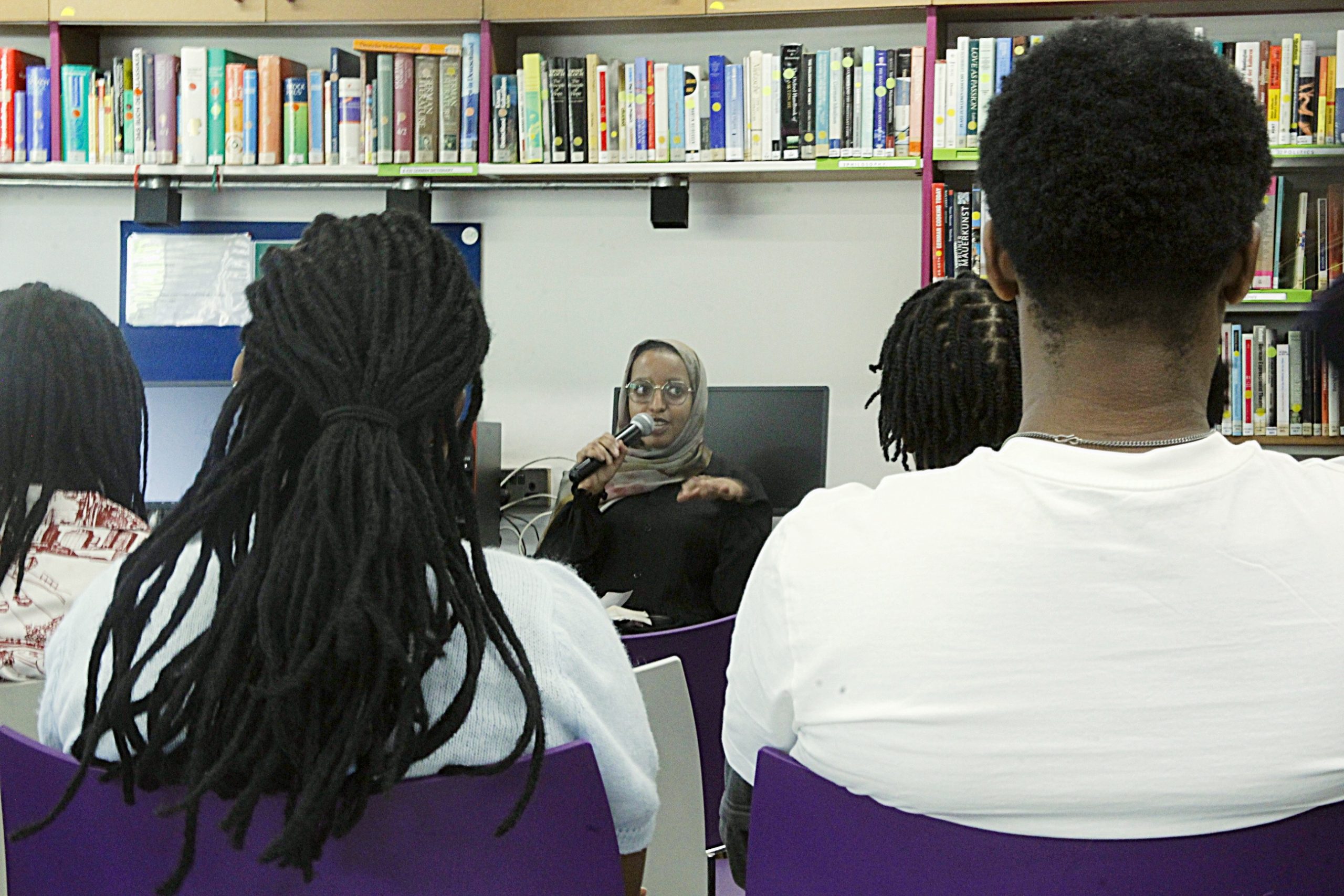
On 22nd August, 2026 I had the pleasure of attending a session of Goethe Institut’s Literary Quartet, an open head-to-head discussion on Kenyan literature organised in conjunction with Qwani and Kenyan Readathon. This continuing event aims to highlight the depth and breadth of Kenya literature through a panel-based discussion and debate.
Two things stood out; first, how incredibly young the panellists were, which tells me that reading is not dead just yet. And second, the one common argument all the participants put forward in support of their chosen texts, which brings me to my point. Each of the panellists fell in love with their chosen book because they found something familiar in it, something that sounded and moved like a life they’ve experienced.
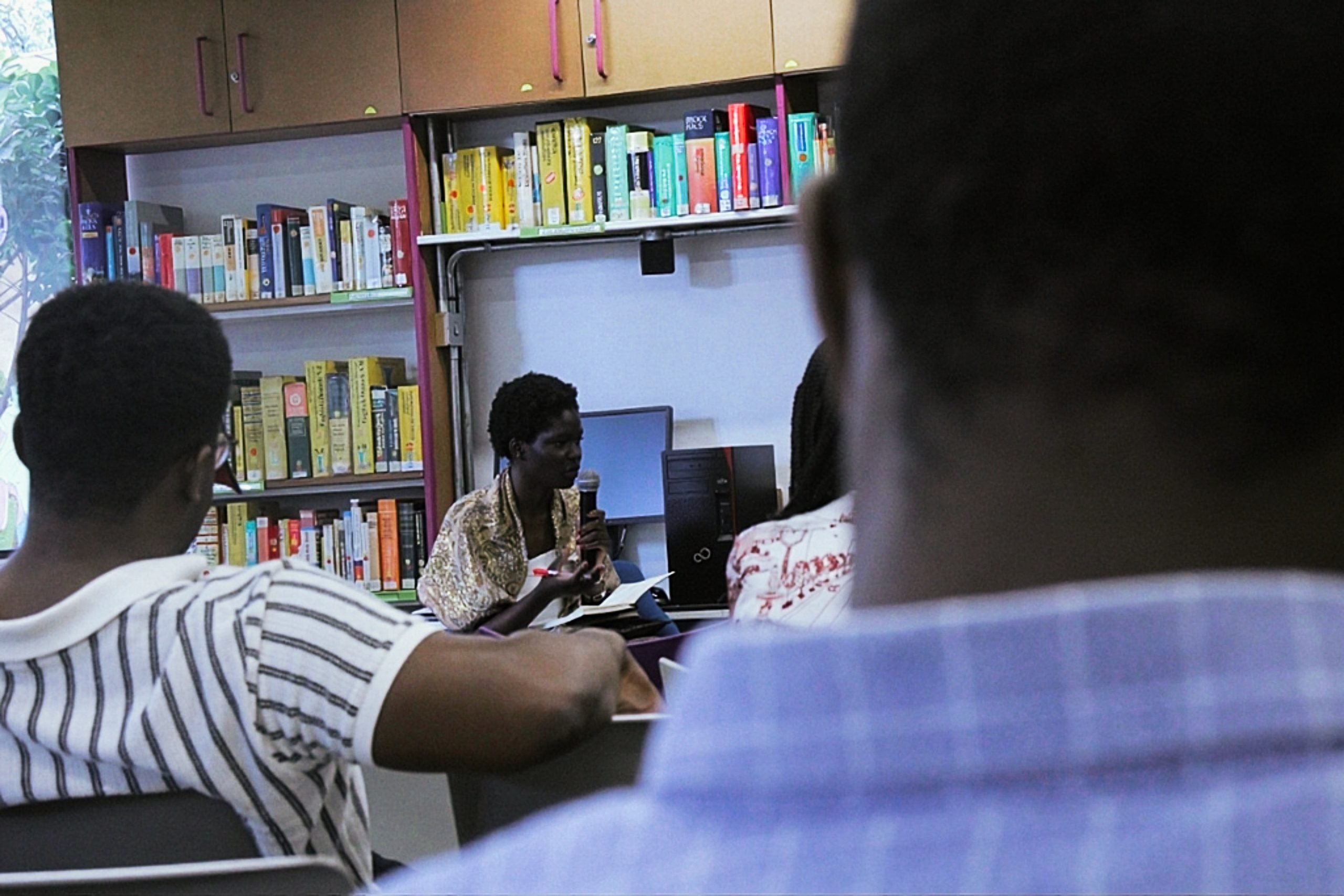
The first panellist, who was doubtlessly an immigrant, identified with Marjorie Oludhe’s A Farm Called Kishinev because it was an immigrant story. The second, who hails from the coast, identified with Khadija Abdalla’s House of Rust because of its palpable rendering of life in the coast. The third was more than obsessed by Okwiri Oduor’s My Father’s Head because the story spoke to her own relationship with her father.

In all three, a sense of familiarity and connection was a major deciding factor in their choice of literature. So, what does that tell me about the place of AI slop? Clipse famously said, “God will sort ‘em out.” I say the industry will sort ‘em out.
In other words, slop will naturally flop. Human stories—good human stories—will continue selling for the simple reason that they are human; they create a sense of nuanced familiarity with our personal experiences which computers are just not capable of replicating. I say this fully aware of the commercial success of novels such as Daggermouth. To which my answer is exceptions; exceptions will be there, but they will be few and far between. So, if there’s an author or writer out there who’s reading this and thinking the future is bleak, take two sips of water and some fresh air. The literary industry is, in the words of Uganda’s Minister of Finance, “doing wonderfully.”






Leave a Reply
You must be logged in to post a comment.