
I was recently in conversation with a local bookstore owner about having my upcoming novel on their shelves. They gave me a sobering piece of advice; to temper my expectations on sales. African literature isn’t doing so great out here right now, they said, even established authors with a number of published books are selling surprisingly few copies. I knew they were right to a certain degree, the same way I know the price of essential goods will go up over the next few months because of oil. My hope was pampered with the vague reassurance that the story I have to offer is solid. And so a minor crisis of faith appears to have been averted.
But I went away from that conversation thinking to myself (especially since my novel is a sci-fi epic), what is African literature? Why isn’t it popular? Could it have something to do with the label itself? Is my story even African literature if it is not set in Africa or this particular Earth to begin with? Who decides this stuff? I felt like I was being boxed in before I could start annoying the world with calls to action. The logical thing to do was to look for answers. And so that’s what I did.
Google’s data collation assistants said the problem is systemic distribution, marketing, and economic challenges. But that appeared too simple an answer. As I went further down my search, I found voices that framed the issue in a more nuanced way. And the totality is that there is an inherent problem with the label “African literature”. Let me break it down.
The publishing industry appears to have come to expect a certain aesthetic in stories categorized as “African literature,” a sort of faux literary realism which Gen-z might say is ‘giving’ Chimamanda Adichie’s proverbial single story. That is, the lingering expectation, when picking up an African-authored novel, to read about hardship, catastrophe or the like. This aesthetic is not only expected, it is reinforced in the way we talk about African stories. By using the label “African literature” in the manner in which it is used, the industry—whether inadvertently or not—has placed a tacitly defined requirement on any story purporting to be African. The writing must, in the words of Professor Foluke Ifejola, “tick our superimposed ‘Africanness’ boxes” otherwise it fails as writing and, ultimately, as literature.
In the fearful minds of many aspiring authors, it necessarily means our stories must be first and foremost deeply if not solely thematic, serious in their discourse to a near-academic degree, melancholy in their introspection and underpinned by profound moral lessons. In other words, they must be shamelessly didactic. And that is boring. It is limiting. Taiye Selasi, in her published talk titled “African Literature Doesn’t Exist” says this of categorizations:
“Just so, to call me an African novelist is first to invent some monolithic Africa, and second to restrict me—my characters, their color—from overstepping its bounds.”
Now, while I do think the rest of Selasi’s approach is a tad militant, I wholeheartedly agree with the gist of this particular statement. To my mind, the ideation of proper “African literature” as that which has the aesthetic of stark literary realism limits the freedoms and abilities of authors to tell their truths the way they know how. And in the end it works to undermine the earning potential of African authors by driving away readers who are not trying to pay money to be depressed.
Secondly, by labelling all stories out of Africa “African literature,” the industry is actively denying the vast linguistic and cultural differences as one moves from Egypt to South Africa. This is why Selasi says there is no such thing as African literature; there is Kenyan literature, and Nigerian literature, and Zimbabwean literature and so on. The label “African literature” ignores the nuances of one country’s culture, different from the rest (even though logically, as a collective it would still be called “African literature”). However you look at it, labels must not function so as to deny the diversity and richness of our existence; African writers are numerous and the realities of the African persona are complex in their variety. Selasi says that after attending A Conference of African Writers of English Expression in 1963, Chinua Achebe concluded that:
“Any attempt to define African literature in terms which overlook the complexities of the African scene at the material time is doomed to failure.”
According to Achebe, the conference grappled to come up with a cohesive definition of African literature. In the end, the best they could conjure up was that African literature is “creative writing in which an African setting is authentically handled or to which experiences originating in Africa are integral.”
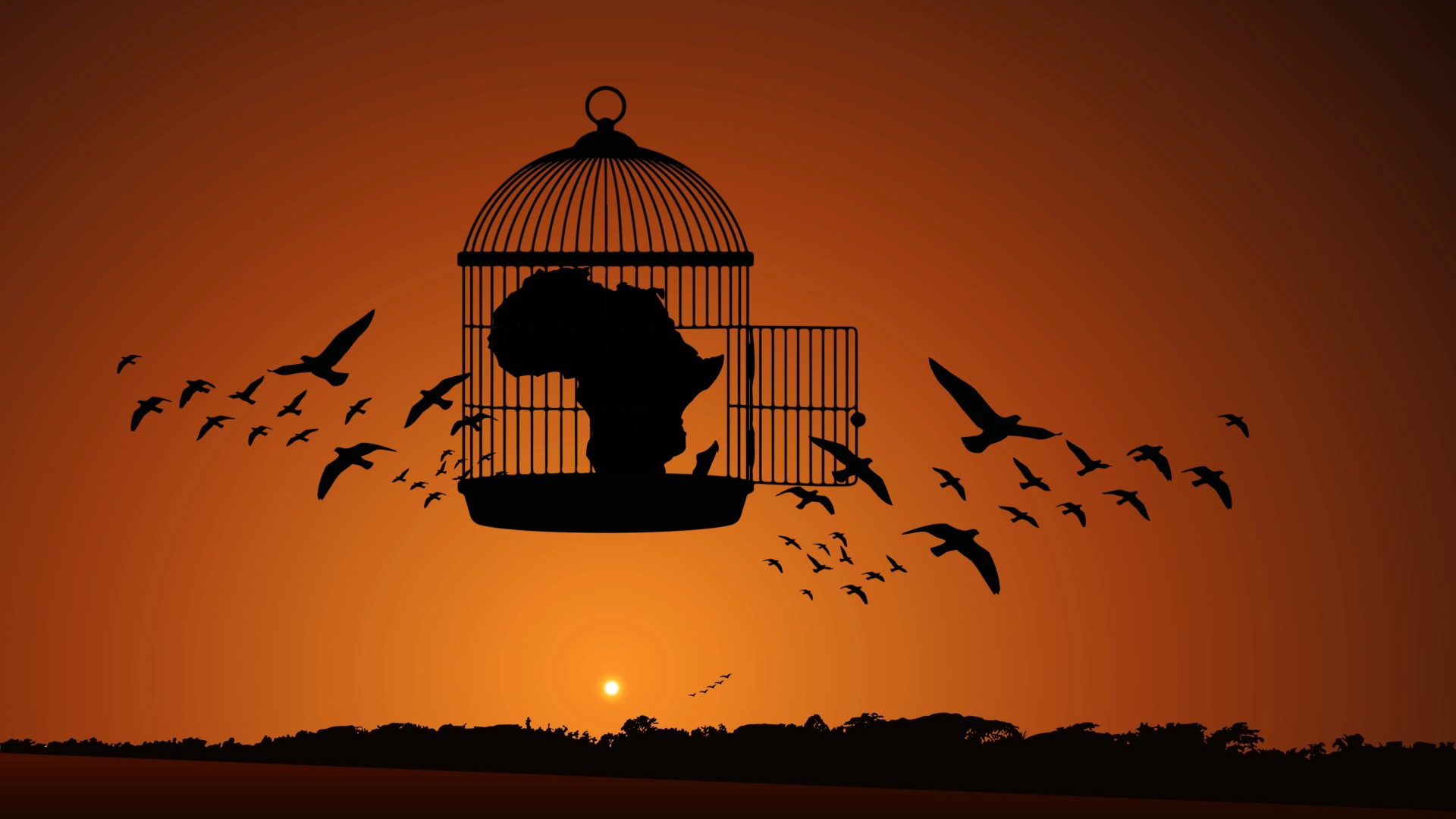
I very much agree with this definition. However, I’d like to propose that what amounts to authentic handling is not predicated on geography, neither is authenticity synonymous with literary realism. Authenticity is fidelity to the lived experiences of the African persona, wherever they may be in the world, and more importantly to the consequences of those experiences. How that fidelity is expressed, whether it be in everyday chores or a bloody revolution, whether it revolve around corruption or gender identity, whether it take place in Africa or on the Moon, is up to the storyteller. Authors—writers must be free to create in the best way they know how. Using “African literature” as a limiting label is an exercise doomed to failure. It is high time to reconsider the full depth and breadth of the literatures of African people. The bird is caged. Free the bird.







Leave a Reply
You must be logged in to post a comment.